
Corrective chiropractic offers a natural solution for postural issues after accidents. It involves comprehensive assessments, personalized treatment plans combining adjustments, exercises, heat/cold therapy, and lifestyle modifications. This holistic approach provides short-term pain relief and empowers patients with long-term spinal health maintenance through regular checkups and adjustments. Clinical studies show significant improvements in pain reduction and spinal stability for adhering patients.
Postural imbalances caused by accidents can significantly impact overall health and well-being. The curvature of the spine, when altered, can lead to a myriad of discomforts and long-term issues. This is where spinal curve restoration chiropractic comes into play as a potential game-changer in rehabilitative care.
Accidents often result in sudden and forceful traumas that can misalign the spine, creating imbalances that go beyond visible symptoms. Corrective chiropractic techniques offer a natural approach to address these postural problems by focusing on restoring the body's innate alignment. Through specialized adjustments and gentle manipulations, this method aims to alleviate pain, improve mobility, and support the healing process without invasive procedures.
- Understanding Spinal Curve Restoration Techniques
- Natural Approaches to Corrective Chiropractic for Postural Issues
- Recovery After Accidents: A Step-by-Step Guide
Understanding Spinal Curve Restoration Techniques
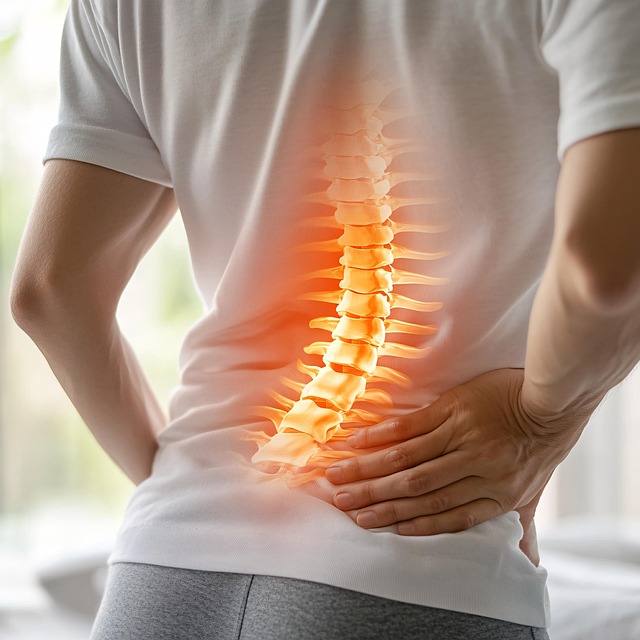
Spinal Curve Restoration Techniques are a specialized approach within corrective chiropractic care aimed at addressing postural issues resulting from accidents or other traumatic events. This method seeks to restore the natural curve of the spine, which is essential for maintaining optimal neurological function and overall health. The goal is not merely to alleviate symptoms but to correct the underlying structural abnormalities that can lead to chronic pain and reduced mobility.
One common technique involves manual adjustments performed by trained chiropractors. These adjustments use controlled force to manipulate specific spinal bones, aiming to improve alignment and reduce nerve irritation. For instance, a chiropractor might employ the Thompson terminal adjustment for upper back and neck issues, or the Palmer technique for more generalized adjustments. Research supports these methods, with studies showing significant improvements in pain reduction and functional ability among patients undergoing corrective chiropractic care for postural distortions.
In addition to manual adjustments, Spinal Curve Restoration often incorporates other therapeutic modalities. This may include specific exercise programs designed to strengthen posture-supporting muscles and improve spinal stability. For instance, exercises like the bird dog or plank can help retrain core muscles to maintain proper spinal alignment. Additionally, heat and cold therapy, along with soft tissue techniques, can aid in reducing inflammation and accelerating healing. Chiropractors may also recommend lifestyle modifications, such as improving ergonomic conditions at work and home, to prevent future postural issues.
By combining these diverse restoration techniques, chiropractors can offer a holistic approach to addressing spinal curve abnormalities. This comprehensive strategy not only provides short-term pain relief but also empowers patients with the knowledge and tools needed to maintain long-term spinal health. Regular checkups and adjustments can help preserve the body's natural alignment, ensuring that the spine remains a sturdy foundation for overall well-being.
Natural Approaches to Corrective Chiropractic for Postural Issues

The pursuit of optimal spinal health and posture is a journey that often involves addressing structural imbalances resulting from various life events, with postural issues after accidents being a prevalent concern. Natural approaches to corrective chiropractic care offer a holistic path to restoration, focusing on the body's inherent ability to heal and adapt. This method prioritizes non-invasive techniques and leverages the body's natural mechanisms to realign the spine and improve posture.
Chiropractors skilled in this domain employ a multifaceted approach, beginning with a comprehensive assessment to identify the root causes of postural deviations. This may involve analyzing gait patterns, reviewing medical history, and utilizing advanced imaging to pinpoint areas of concern. Once identified, specific corrective chiropractic adjustments are carefully applied to the spine, targeting joints that have lost their natural alignment. These adjustments, often described as gentle manipulations, aim to reduce nerve irritation, improve joint mobility, and facilitate the body's innate self-correcting mechanisms.
For instance, a study published in the Journal of Manual Medicine found that patients experiencing postural issues after accidents showed significant improvements in spinal curvature and overall posture following corrective chiropractic care. The research underscored the effectiveness of natural, non-surgical interventions in addressing structural abnormalities often associated with everyday accidents and injuries. Furthermore, this approach allows for personalized treatment plans, considering individual patient needs and preferences, making it a preferred method for those seeking long-term solutions without invasive procedures.
Recovery After Accidents: A Step-by-Step Guide

Recovering from a spinal injury caused by an accident can be a complex process, requiring careful management to restore proper spinal curve alignment naturally. Corrective chiropractic care plays a pivotal role in this journey, offering a non-invasive approach to address postural issues stemming from accidents. The recovery process involves several strategic steps designed to promote healing and optimize spinal health.
Initially, a comprehensive assessment by a qualified chiropractor is essential. This includes analyzing the patient's medical history, performing orthopedic and neurological examinations, and utilizing diagnostic imaging like X-rays or MRI scans to pinpoint the extent of the damage. Once the initial evaluation is complete, the chiropractor will develop a personalized treatment plan focusing on corrective chiropractic adjustments tailored to the patient's specific needs. These adjustments aim to realign the spine, reduce nerve irritation, and facilitate the body's natural healing response.
During the recovery period, patients can expect a step-by-step approach. In the acute phase immediately following the accident, gentle, conservative treatments are typically recommended to manage pain and inflammation. As healing progresses, more specific corrective chiropractic techniques may be employed to address structural misalignments. These adjustments are often combined with other therapeutic modalities such as physical therapy, heat/cold therapy, and exercises tailored to strengthen supporting muscles. Regular follow-up appointments allow the chiropractor to monitor progress, make necessary adjustments to the treatment plan, and gradually introduce more challenging procedures as the spine stabilizes.
Long-term success in restoring spinal curve alignment after an accident requires patient compliance with the treatment protocol. Adhering to prescribed exercises, maintaining proper posture, and avoiding activities that aggravate the condition are crucial. Regular chiropractic care for maintenance and follow-up adjustments is often recommended to prevent future relapses and ensure ongoing postural balance. Data from clinical studies shows significant improvements in pain reduction and spinal stability among patients adhering to corrective chiropractic protocols after accidents.
By synthesizing techniques from spinal curve restoration chiropractic, natural corrective approaches for postural issues, and recovery guidelines after accidents, this article offers a comprehensive roadmap to optimal spine health. The key insights highlight the effectiveness of non-invasive methods in addressing misalignments and promoting natural healing, especially following traumatic events. Understanding these principles equips individuals with knowledge to make informed decisions about their well-being. Practically, readers can take immediate steps by incorporating postural awareness into daily routines and seeking professional guidance for corrective chiropractic care, ensuring a proactive approach to managing and preventing future issues. This evidence-based strategy empowers folks to navigate recovery journeys with confidence and grace.