
Rear-end crashes can cause long-term postural changes, leading to chronic pain. Corrective chiropractic care addresses these issues by realigning the spine, reducing muscle tension, and improving joint function. Early intervention is key for better recovery outcomes. Postural rehabilitation focuses on correcting imbalances and strengthening muscles. Combining corrective chiropractic with lifestyle practices enhances recovery and prevents future injuries, ensuring long-term postural health.
Posture following a rear-end crash can significantly impact long-term health and quality of life. Many victims suffer from chronic pain and postural distortions due to the forces exerted during the collision. Traditional treatments often address symptoms superficially, leaving underlying structural damage unaddressed. Corrective chiropractic care offers a natural, holistic approach to improving posture after accidents by focusing on the spine's alignment and functionality. This article delves into the science behind corrective chiropractic for postural issues, providing valuable insights for those seeking lasting relief and optimal health.
- Understanding Postural Changes After Rear-End Crashes
- Natural Solutions: Corrective Chiropractic for Optimal Alignment
- Long-Term Care: Maintaining Good Posture After an Accident
Understanding Postural Changes After Rear-End Crashes
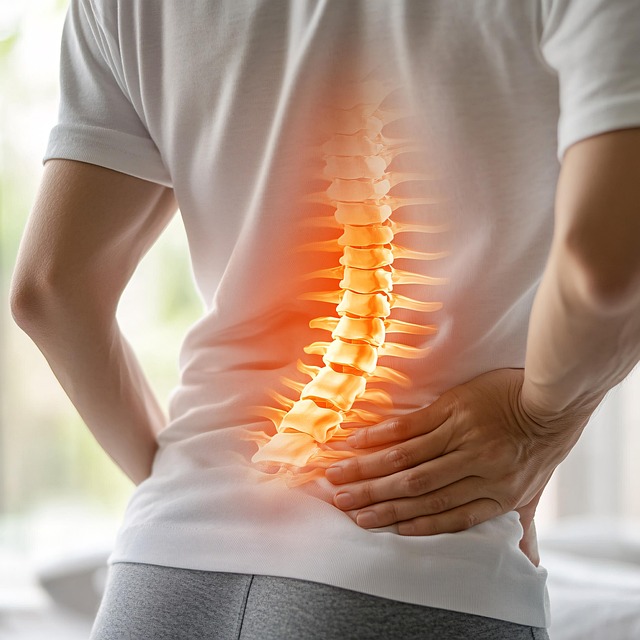
Rear-end crashes can cause more than just immediate physical damage; they often result in long-term postural changes that affect daily life and overall health. Understanding these changes is crucial for effective recovery and prevention of future issues. Posture immediately after such an incident may seem straightforward, but it's a complex interplay of muscle tension, joint misalignment, and soft tissue injuries. While some individuals may experience immediate pain, others might not feel symptoms until days or weeks later, making it easy to dismiss the impact of the crash on their posture.
Chronic postural issues can develop due to the cumulative effects of minor adjustments made to compensate for pain or discomfort. For instance, many people subconsciously slouch or tilt their head forward after a rear-end collision, creating a forward head posture that places additional strain on the neck and upper back. This can lead to conditions like chronic neck pain, headaches, and even shoulder and arm symptoms. Data from studies suggest that up to 70% of car crash survivors experience some form of musculoskeletal disorder, highlighting the significant impact of accidents on long-term postural health.
Corrective chiropractic care offers a natural approach to addressing postural issues stemming from rear-end crashes. Chiropractors use a variety of techniques, including spinal manipulation and specific exercise protocols, to improve joint function, reduce muscle tension, and restore proper alignment. By correcting these misalignments, they help the body heal itself and support the development of better postural habits. It's important to seek professional guidance early on, as waiting can exacerbate existing conditions and make treatment more challenging. Early intervention through corrective chiropractic can significantly enhance recovery outcomes and promote a healthier, more balanced posture for years to come.
Natural Solutions: Corrective Chiropractic for Optimal Alignment
Posture after a rear-end crash can be significantly impaired, leading to chronic pain and discomfort if not addressed properly. Beyond conventional treatments, corrective chiropractic care offers a natural solution for postural issues stemming from accidents. This approach focuses on realigning the spine and restoring the body's balance, which is essential for overall well-being and injury recovery.
Chiropractors skilled in corrective techniques use specialized adjustments to correct misalignments caused by the impact of a collision. These adjustments can range from gentle manipulation to more targeted force, depending on the severity of the posture deviation. For example, research suggests that chiropractic care can effectively alleviate pain and improve spinal mobility for individuals post-auto accidents. A study published in the Journal of Chiropractic Medicine found that patients experiencing whiplash after a rear-end collision showed significant improvements in symptoms following corrective chiropractic treatments.
The benefits extend beyond symptom relief. Corrective chiropractic for postural issues after accidents naturally promotes healing by enhancing nerve function and reducing pressure on the spine. This can lead to improved posture, better movement patterns, and a lower risk of developing chronic conditions associated with poor alignment. Regular adjustments can also help prevent future injuries by keeping the body's natural defenses intact and supporting overall mobility. For individuals committed to long-term wellness, incorporating corrective chiropractic care into their recovery plan can be a game-changer, ensuring they regain optimal posture and movement after an accident.
Long-Term Care: Maintaining Good Posture After an Accident

Maintaining good posture after a rear-end crash is an often overlooked yet crucial aspect of long-term care. Accidents can cause not just physical injuries but also alter your natural posture, leading to chronic discomfort and further health issues if left unaddressed. Postural rehabilitation is therefore essential, focusing on correcting imbalances and strengthening supporting muscles. Unlike temporary pain relief measures, adopting a holistic approach—such as corrective chiropractic care—can offer lasting solutions.
Chiropractors specialize in the diagnosis and treatment of postural issues, employing non-invasive techniques tailored to individual needs. For instance, spinal manipulation, along with specific exercises and lifestyle modifications, can help realign the spine and improve overall posture. Research shows that chiropractic care for postural adjustments is effective, with studies indicating significant improvements in pain reduction and functional ability among patients. Corrective chiropractic offers a natural and gentle approach to healing, targeting the root causes of poor posture rather than merely treating symptoms.
Beyond corrective chiropractic, establishing daily practices like regular stretching, strengthening exercises, and mindfulness can further enhance postural recovery. Simple adjustments like maintaining a mindful awareness of your posture while sitting, standing, or lifting objects can make a significant difference over time. Combining these proactive measures with professional guidance ensures that not only are immediate post-accident issues addressed but also that long-term postural health is maintained, preventing future injuries and promoting overall well-being.
Rear-end crashes can lead to significant postural changes, but understanding these impacts and adopting proactive measures can be transformative. Key insights reveal the importance of addressing postural alterations promptly, with corrective chiropractic care emerging as a natural and effective solution for optimal alignment. Long-term maintenance of good posture after an accident is vital, emphasizing the need for consistent care and awareness. By integrating corrective chiropractic for postural issues after accidents naturally into their routines, individuals can not only alleviate discomfort but also prevent future complications. This article equips readers with the knowledge to navigate postural challenges, ensuring a path to holistic recovery and enhanced well-being.